
Master Your Daily Oral Hygiene: Expert Tips from Your Orange, CA Dentist
Good oral hygiene is more than just a healthy smile; it's a crucial part of your overall well-being. As a working adult, balancing daily responsibilities can be difficult, but your oral health shouldn't take a backseat. In this article, we’ll share expert tips on mastering your daily oral hygiene routine, explore the importance of preventive care, and discuss how oral health impacts your overall health. Whether you’re seeking general dentistry services or advice on periodontal maintenance, this guide from your trusted Orange, CA dentist has you covered.
General Dentistry: The Foundation of Oral Health
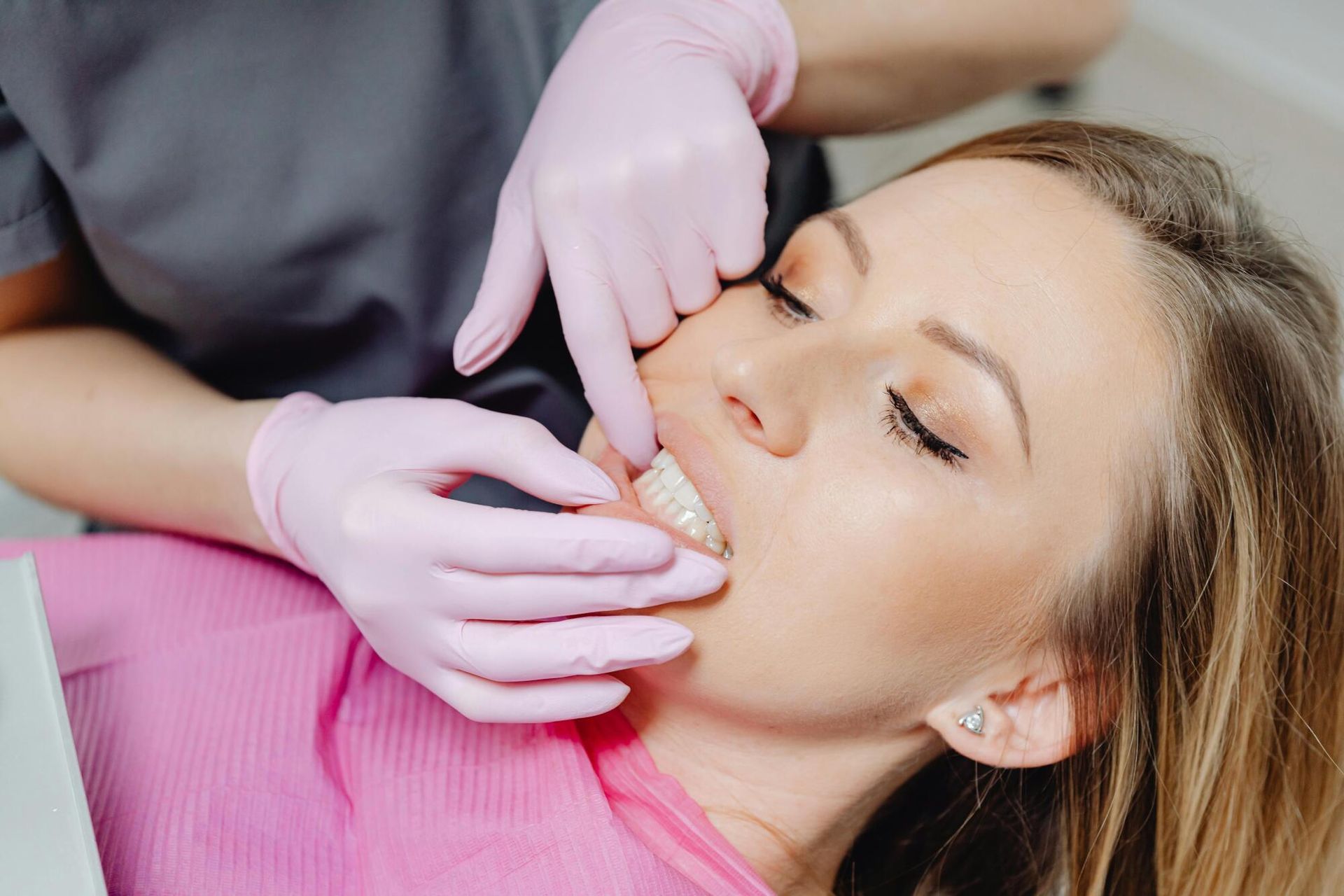
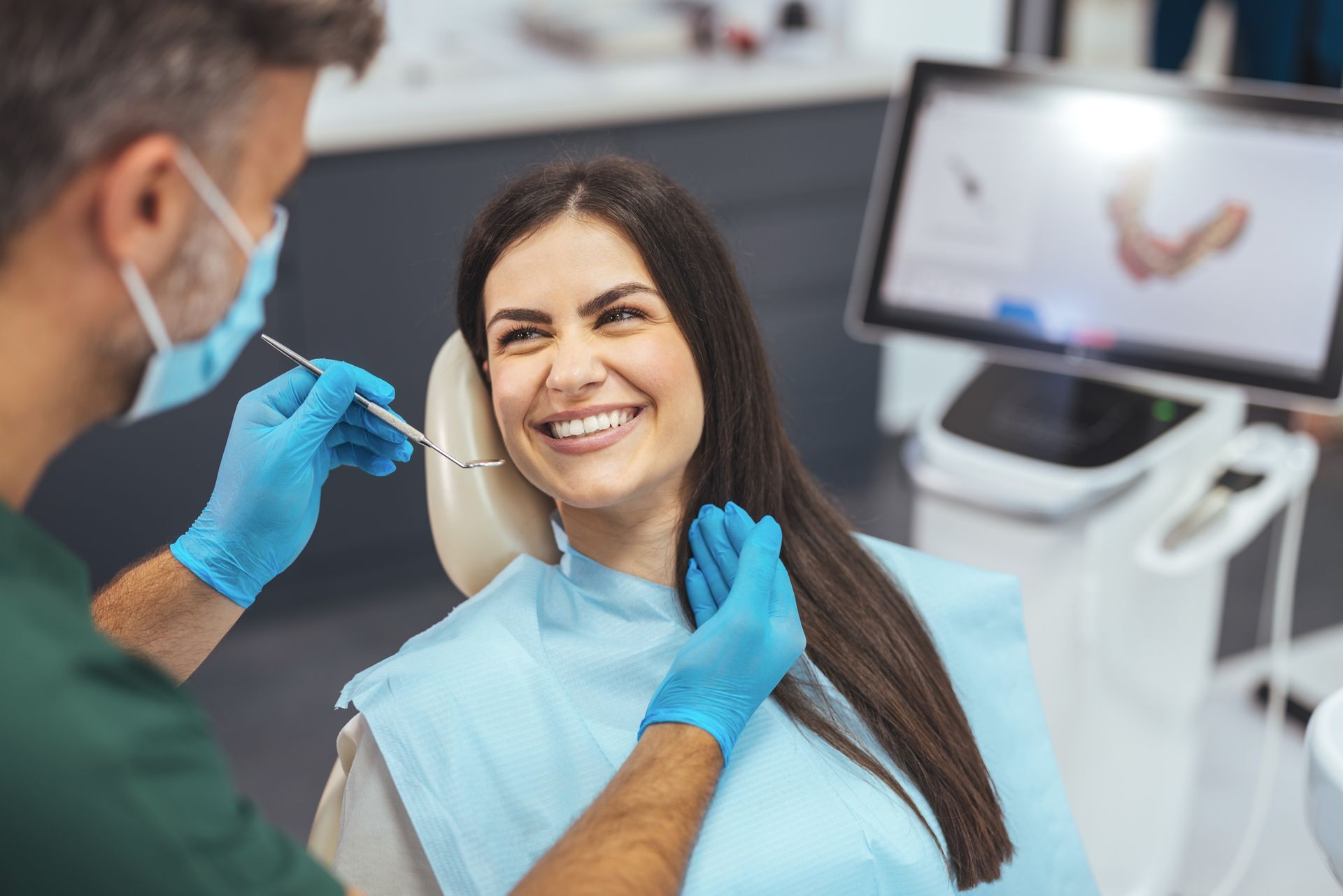
General dentistry encompasses a wide range of services designed to keep your teeth, gums, and mouth healthy. Preventive care, routine checkups, and early treatment are key to maintaining a bright smile and avoiding more serious dental problems. In your regular visits, your dentist will focus on several core areas, including:
- Cavity prevention and fillings
- Gum disease prevention and treatment
- Routine cleanings and exams
- Teeth whitening and cosmetic enhancements
These services are not just for restoring your smile but are designed to prevent future dental issues, ensuring that your oral health stays in optimal shape.
How to Choose the Right Dentist for Preventive Care
Choosing the right dentist for your needs is essential, especially when it comes to preventive care. Here’s what to look for when selecting a general dentist in Orange, CA:
- Experience and Expertise: A good dentist will be experienced in preventive care and be up-to-date on the latest dental techniques.
- Comprehensive Services: Look for a practice that offers both general and preventive dentistry, ensuring they can meet all your oral health needs.
- Comfort and Care: Since dental visits can cause anxiety for many, it’s important to choose a dentist and office team that creates a welcoming, comfortable environment.
- Reputation and Reviews: Take time to read patient reviews and ask for referrals. A dentist who is well-loved by their patients will likely be a trusted choice for you.
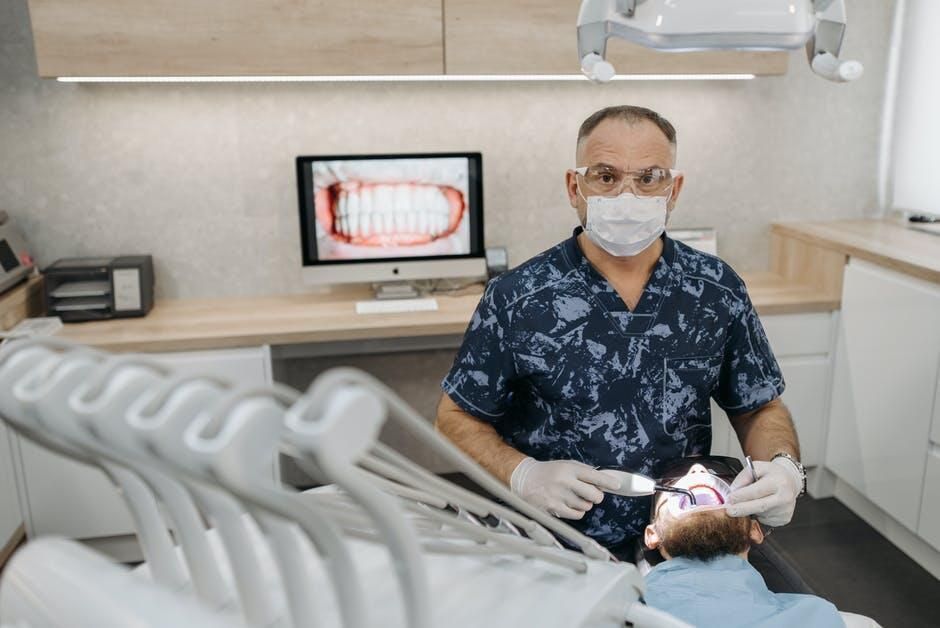
At Smart Smile Dental in Orange, CA, Dr. Bagai and the team provide professional, compassionate care to help you maintain excellent oral health through general and preventive dentistry services.
Common Dental Problems and When to See a Dentist
Some of the most common dental problems include:
- Cavities: Often the result of plaque buildup, cavities can be prevented with regular brushing, flossing, and professional cleanings.
- Gum Disease (Gingivitis and Periodontitis): These conditions occur when bacteria in plaque build up along the gum line, leading to inflammation, infection, and even tooth loss.
- Tooth Sensitivity: This issue can be a sign of enamel erosion, cavities, or gum recession, requiring professional attention.
- Bad Breath: Chronic bad breath can be a sign of gum disease or other underlying health problems.
It’s important to schedule regular checkups with your dentist, even if you feel fine. Dental problems often develop silently and can escalate if left untreated.
Periodontal Maintenance: A Crucial Part of Your Oral Health Routine
Maintaining healthy gums is just as important as caring for your teeth. Periodontal maintenance includes professional cleanings to remove plaque and tartar buildup, as well as treating gum disease before it progresses to more severe stages. Periodontal care often involves:
- Scaling and root planing: A deep cleaning that helps remove plaque below the gum line, preventing further damage to your gums and teeth.
- Gum disease treatments: To address infections, your dentist may recommend specialized treatments like antibiotics or even surgical procedures.
- Ongoing maintenance appointments: Depending on your gum health, your dentist may schedule you for frequent cleanings to maintain healthy gums and teeth.
Enhance Your Oral Hygiene Routine: Expert Tips for Success
Creating an effective daily oral hygiene routine is key to maintaining a healthy smile. By following a few simple steps and incorporating the right techniques, you can maximize the effectiveness of your daily routine and protect your oral health for the long term.
1. Brush Properly, Not Just Frequently
While brushing twice a day is essential, it’s just as important to brush correctly. Here’s how to make sure you’re brushing effectively:
- Use the Right Toothbrush: A soft-bristled toothbrush is recommended to protect your gums and enamel. Make sure the head of the toothbrush fits comfortably in your mouth.
- Brush for Two Minutes: Set a timer or play a song to ensure you’re brushing for a full two minutes. Don’t rush the process. Be thorough, especially along the gumline and the back of your teeth.
- Use Fluoride Toothpaste: Fluoride strengthens tooth enamel and helps protect against cavities. Make sure to use toothpaste that contains fluoride for added protection.
- Proper Technique: Hold the toothbrush at a 45-degree angle to your gums and use gentle, circular motions. Avoid brushing too hard, as this can damage your gums and enamel.
2. Floss Every Day
Flossing is a crucial part of your oral hygiene routine, as it helps remove food particles and plaque from between your teeth, areas your toothbrush can't reach. Flossing once a day is sufficient for most people, but you may need to floss more frequently if you have braces or other dental appliances. Make sure to floss gently to avoid injuring your gums, and be sure to use about 18 inches of floss so you can use a clean section for each tooth.
3. Rinse with Mouthwash
Mouthwash is an important addition to your oral care routine because it helps reduce plaque and fight bacteria that cause bad breath, cavities, and gum disease. Use an antimicrobial mouthwash after brushing and flossing to give your mouth an extra layer of protection. If you're prone to gum disease or tooth decay, look for a mouthwash that contains fluoride for added benefit.
4. Don’t Forget Your Tongue
Your tongue can harbor bacteria that contribute to bad breath and plaque buildup. Gently brush your tongue with your toothbrush or use a tongue scraper to remove bacteria and food particles. This small step can make a significant difference in your overall oral hygiene.
5. Avoid Snacking Between Meals
Eating throughout the day can contribute to plaque buildup and cavities. Try to limit snacking between meals, especially sugary or acidic snacks that can feed harmful bacteria. If you do snack, choose healthy options like raw vegetables or nuts, and drink plenty of water to help rinse away any food particles.
6. Use the Right Tools
Invest in tools that help you maintain a clean mouth, such as:
- Electric Toothbrush: If you find manual brushing difficult or ineffective, consider using an electric toothbrush. These toothbrushes are proven to remove more plaque and can be easier on your gums.
- Interdental Brushes: For individuals with larger gaps between teeth, interdental brushes can help clean the spaces between teeth where traditional floss may not reach.
- Water Flossers: These devices use a stream of water to remove food particles and plaque, making them a great option for people who struggle with traditional flossing.
7. Visit Your Dentist Regularly
Even if you're diligent with your home care routine, regular checkups and cleanings are essential. Visit your dentist every six months for professional cleanings and exams. Your dentist can spot potential issues early, such as cavities or gum disease, and address them before they become more serious problems.
By following these steps, you can maximize the effectiveness of your daily routine and keep your teeth and gums in excellent condition. A consistent routine, combined with regular visits to your dentist, is the best way to maintain long-term oral health.
How Oral Health Affects Your Overall Health
Did you know that your oral health can significantly impact your overall well-being? Research has shown that poor oral health is linked to various systemic conditions, including:
- Heart Disease: Gum disease has been linked to an increased risk of heart disease and stroke, as the bacteria in your mouth can enter your bloodstream and contribute to plaque buildup in the arteries.
- Diabetes: Gum disease can make it harder for people with diabetes to control their blood sugar levels.
- Pregnancy Complications: Pregnant women with untreated gum disease may be at higher risk of preterm birth and low birth weight.
By maintaining good oral hygiene and visiting your dentist regularly, you can help prevent these serious health issues.
FAQ
Q: How often should I visit the dentist for checkups?
A: It’s recommended to visit your dentist at least twice a year for routine cleanings and exams. However, if you have specific concerns, your dentist may suggest more frequent visits.
Q: What can I do if I have sensitive teeth?
A: Sensitive teeth can be caused by various factors, including gum recession or worn enamel. Your dentist may recommend using a desensitizing toothpaste and may suggest other treatments to address the underlying issue.
Q: Are over-the-counter teeth whitening products effective?
A: While some over-the-counter products can provide temporary whitening, professional whitening treatments from your dentist are generally more effective and safer.
Q: How can I prevent gum disease?
A: The best way to prevent gum disease is through regular brushing, flossing, and professional dental cleanings. If you notice symptoms like bleeding gums or persistent bad breath, be sure to consult your dentist promptly.
Conclusion
Mastering your daily oral hygiene routine is crucial for maintaining a healthy, beautiful smile. With the right preventive care and regular visits to your trusted dentist in Orange, CA, you can ensure that your teeth and gums stay in great condition for years to come. Don’t neglect your oral health. Take action today and give your smile the care it deserves.