The Importance of Your Annual Dental Checkup at Our Orange, CA Dental Office

Smart Smile • November 10, 2025

At Smart Smile Dental in Orange, CA, we know how easy it is to put off your dental checkups. Life gets busy, and dental appointments can often seem like a low priority compared to other responsibilities. However, your annual dental checkup is a crucial step in maintaining not only your smile but also your overall health. Routine dental visits help us catch potential problems early, saving you from pain, expensive procedures, and even tooth loss in the future. In this blog, we will explore the importance of these checkups, covering topics such as dental X-rays, periodontal treatment, the connection between oral health and overall health, and practical preventive care tips.

Dental X-Rays: A Vital Tool for Early Detection

Dental X-rays are one of the most important tools used during your annual checkup at Smart Smile Dental. These images provide a detailed view of the structure of your teeth, gums, and bones, enabling our team to identify issues that may not be visible during a regular examination. For example, cavities between teeth, bone loss, or infections beneath the gums can be identified through X-rays before they progress into more serious conditions.


X-rays are also valuable in detecting other hidden problems, such as abscesses, cysts, tumors, or impacted teeth that could potentially harm your oral health. Early detection through X-rays enables us to treat these issues before they lead to complications or require more invasive treatments.


While many people have concerns about radiation exposure, modern dental X-rays use very low levels of radiation. The technology has advanced significantly, making the amount of radiation negligible and well within safe limits. Plus, the benefits of early detection far outweigh any minimal risks. At Smart Smile Dental, we use digital X-rays, which emit even less radiation than traditional X-rays, ensuring a safer and more efficient process.

Periodontal Treatment: Protecting Your Gums and Teeth

Your gums are just as important as your teeth, and they deserve the same level of attention and care. Periodontal (gum) disease is one of the leading causes of tooth loss, often a silent condition that does not present noticeable symptoms until it has already advanced. That is why it is essential to have your gums checked during your annual dental checkup.


Periodontal disease begins with gingivitis, an inflammation of the gums caused by the accumulation of plaque. If not addressed, gingivitis can progress into periodontitis, a more severe form of gum disease that can cause the gums to recede and the bones supporting your teeth to deteriorate. This can lead to loose teeth and, ultimately, tooth loss.


During your checkup, we examine your gums for signs of inflammation, bleeding, or recession. If we find any signs of gum disease, we may recommend treatments such as scaling and root planing. This deep cleaning procedure removes plaque and tartar from below the gumline, helping to restore the health of your gums. In more severe cases, periodontal surgery may be necessary, but with early detection, these invasive treatments are often avoidable.


Preventing gum disease is simple with regular checkups, good oral hygiene, and professional cleanings. By maintaining good gum health, you can avoid the complications associated with untreated periodontal disease.

The Link Between Oral Health and Overall Health

You may be surprised to learn that your oral health is closely linked to your overall health. Research has shown that oral health problems, particularly gum disease, can contribute to a variety of systemic health issues. Inflammation caused by periodontal disease can enter your bloodstream and affect other parts of your body, increasing the risk for conditions such as heart disease, diabetes, stroke, and even premature birth in pregnant women.


For example, gum disease has been linked to an increased risk of cardiovascular problems. The bacteria in the gums can travel to the heart, leading to inflammation of the blood vessels, which may contribute to the development of atherosclerosis (plaque buildup in the arteries) and other heart-related issues. Similarly, people with diabetes are more likely to develop gum disease, and gum disease can make it more difficult to control blood sugar levels.


By maintaining good oral hygiene and scheduling regular dental checkups, you are not only protecting your teeth and gums but also taking proactive steps to maintain your overall health. If we notice any signs of oral health problems, we can help prevent them from affecting your overall well-being by providing timely treatment and advice.

Preventive Care Tips: Maintaining a Healthy Smile

While regular dental checkups are vital, there are several steps you can take at home to maintain a healthy smile between visits. Here are a few essential preventive care tips:


  • Brush and Floss Daily: Brushing your teeth at least twice a day with fluoride toothpaste helps remove plaque and prevent cavities. Do not forget to floss! Flossing removes food particles and plaque from between your teeth and along the gumline, where your toothbrush cannot reach.

  • Use Mouthwash: An antibacterial mouthwash can help kill germs and reduce plaque buildup. Mouthwash not only freshens your breath but also promotes overall oral health.

  • Eat a Balanced Diet: A healthy diet plays a key role in maintaining strong teeth and gums. Foods rich in vitamins and minerals, such as fruits, vegetables, and dairy products, help keep your teeth healthy. Avoid sugary snacks and drinks, which can lead to cavities and tooth decay.

  • Do Not Skip Cleanings: Even with excellent home care, plaque and tartar can still accumulate on your teeth. Regular professional cleanings are necessary to remove this buildup and prevent gum disease and tooth decay, also known as cavities.

  • Stay Hydrated: Drinking plenty of water throughout the day helps rinse away food particles and bacteria, preventing dry mouth and promoting healthier gums. Water is also crucial for your overall health, as it aids in digestion and supports bodily functions.

  • Wear a Mouthguard if Necessary: If you play sports or grind your teeth at night, consider wearing a custom mouthguard to protect your teeth from injury or damage.

FAQ: The Importance of Your Annual Dental Checkup

1. Why are dental checkups important?

Dental checkups are essential for maintaining optimal oral health. They help detect problems such as cavities, gum disease, and oral cancer before they become serious. Regular checkups also provide an opportunity for professional cleaning, which removes plaque and tartar that your toothbrush and floss cannot reach, helping prevent cavities and gum issues.


2. How often should I visit the dentist for checkups?

For most people, it is recommended to visit the dentist at least twice a year for a routine checkup and cleaning. However, some individuals may need more frequent visits if they have specific oral health concerns, such as gum disease or a history of cavities. Your dentist at Smart Smile Dental will tailor the frequency of visits to your individual needs.


3. Are dental X-rays safe?

Yes, dental X-rays are safe. At Smart Smile Dental, we use modern digital X-ray technology, which emits significantly lower radiation than traditional X-rays. The benefits of X-rays—such as early detection of cavities, infections, and other dental issues—far outweigh the minimal radiation exposure. Your dentist will only recommend X-rays when necessary for diagnostic purposes.


4. What is periodontal disease, and how can I prevent it?

Periodontal disease, also known as gum disease, is an infection of the gums caused by the buildup of plaque. If left untreated, it can lead to gum recession, tooth loss, and other serious oral health issues. Preventing periodontal disease starts with good oral hygiene—brushing twice a day, flossing daily, and using mouthwash. Regular checkups at Smart Smile Dental enable us to identify early signs of gum disease, allowing us to treat it before it progresses.


5. What treatments are available for gum disease?

If we detect gum disease during your checkup, treatment will depend on the severity of the condition. Early-stage gum disease (gingivitis) can often be treated with a professional cleaning to remove plaque and tartar. If the disease has progressed to periodontitis, more intensive treatments such as scaling and root planing may be necessary to remove plaque and tartar below the gumline. In advanced cases, surgical options may be required, but early intervention typically prevents the need for these invasive procedures.


6. How does oral health affect my overall health?

Oral health is closely linked to your overall health. Conditions like gum disease have been linked to serious health issues, including heart disease, diabetes, stroke, and respiratory problems. Bacteria from infected gums can enter the bloodstream and contribute to systemic inflammation. Maintaining good oral hygiene and attending regular dental checkups can help protect both your teeth and your overall well-being.


7. What should I expect during my annual dental checkup?

During your annual dental checkup at Smart Smile Dental, you will undergo a thorough examination of your teeth, gums, and mouth. We will check for cavities, signs of gum disease, and other oral health issues. Depending on your needs, we may take X-rays to get a closer look at areas that are not visible. Our team will also perform a professional cleaning to remove plaque and tartar buildup. If any problems are detected, we will discuss treatment options with you and develop a plan to address them.


8. How can I maintain healthy teeth between visits?

Maintaining healthy teeth and gums is a continuous process. Here are a few tips:


  • Brush at least twice a day with fluoride toothpaste.
  • Floss daily to remove plaque and food particles between your teeth.
  • Use an antibacterial mouthwash to kill germs and reduce plaque buildup.
  • Avoid sugary snacks and drinks that can lead to tooth decay.
  • Stay hydrated to help rinse away food particles and bacteria.
  • Visit your dentist regularly for professional cleanings and exams.


9. Can I skip my checkup if I am not experiencing any pain or problems?

Even if you are not experiencing pain or visible problems, it is essential not to skip your checkup. Many dental issues, such as cavities or early-stage gum disease, do not exhibit symptoms until they have progressed to a more advanced stage. Regular checkups allow us to detect these issues early, when treatment is easier, less costly, and more effective.


10. What should I do if I have not been to the dentist in a while?

If it has been a while since your last dental visit, do not worry—it is never too late to get back on track. Schedule an appointment with us, and we will conduct a thorough examination to assess your current oral health. Depending on your needs, we may recommend a cleaning, X-rays, or other treatments. Our team at Smart Smile Dental will work with you to develop a plan for maintaining your oral health moving forward.

Your annual dental checkup is much more than just a routine appointment—it is an essential part of your overall health. At Smart Smile Dental in Orange, CA, we are committed to delivering the highest quality care and helping you preserve your smile for a lifetime. Whether you need a dental X-ray, periodontal treatment, or just a simple cleaning, our team is here to ensure that your teeth and gums remain in excellent condition.

Do not wait for problems to arise—schedule your annual dental checkup today and take the first step toward a healthier, happier smile!
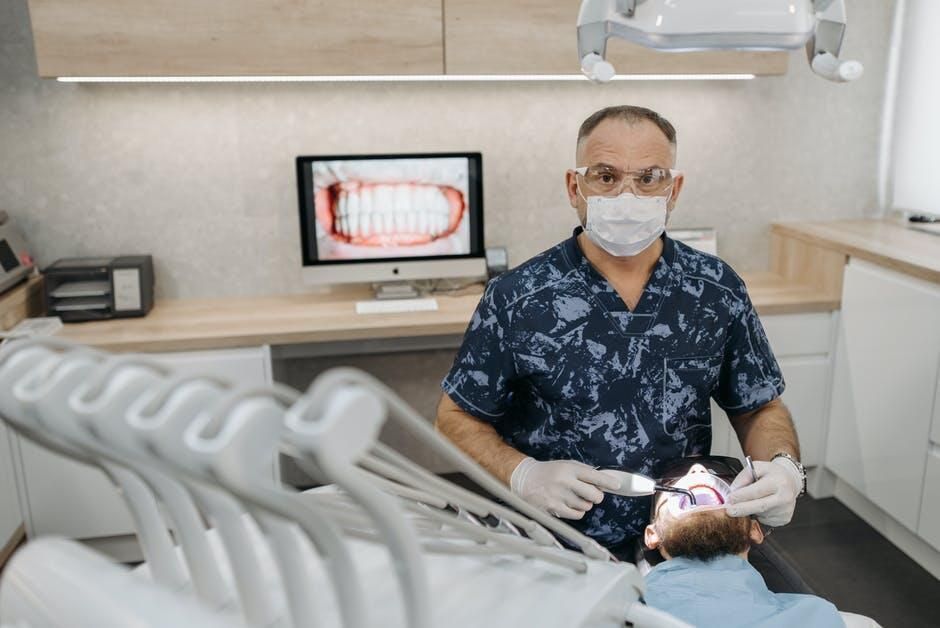
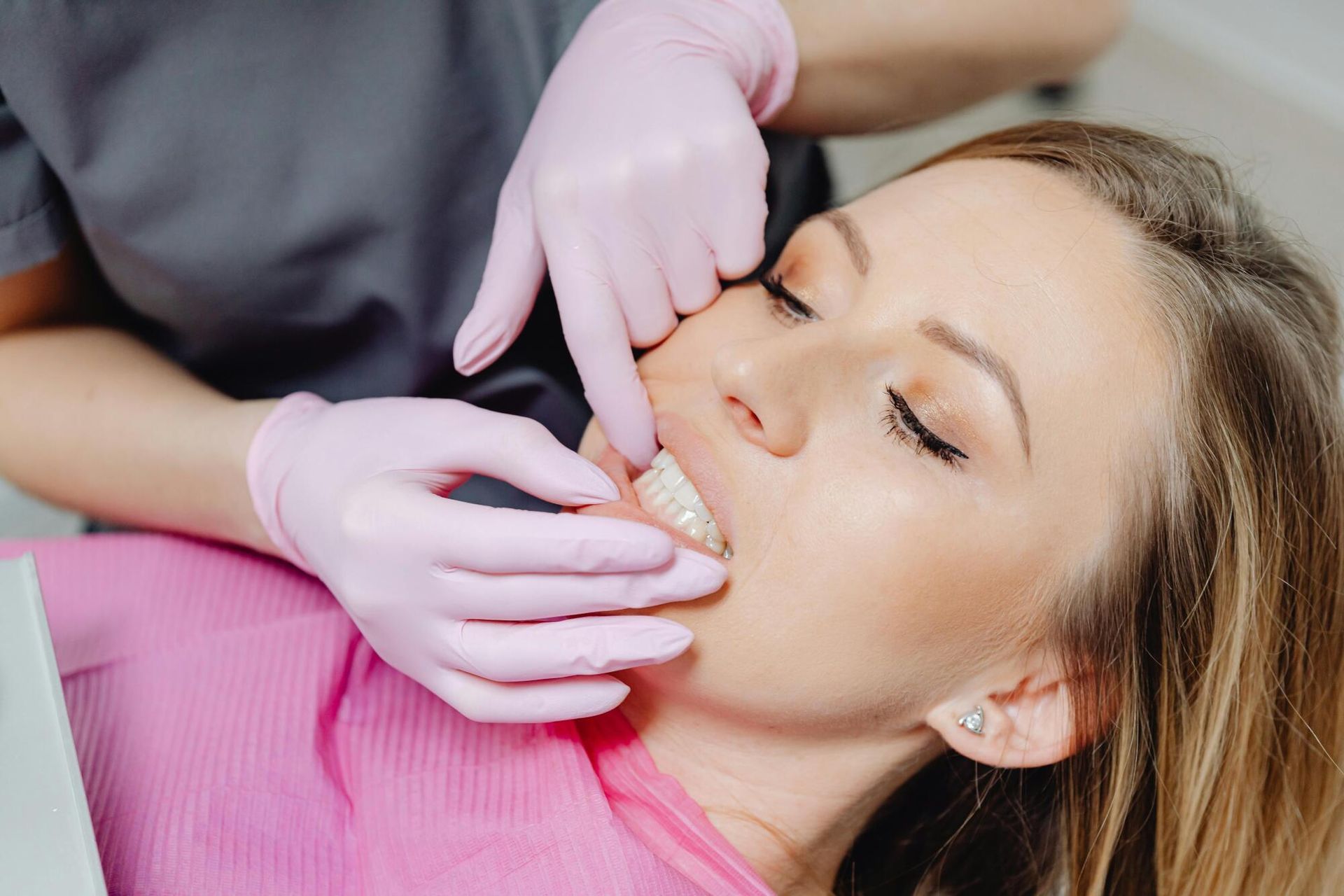
Dentist examining patient's teeth with gloved hands. Patient in dental chair with eyes closed.
By Smart Smile November 30, 2025
Explore why mild gum recession shouldn't be ignored. Start taking care of your oral health before it's too late! Click now.
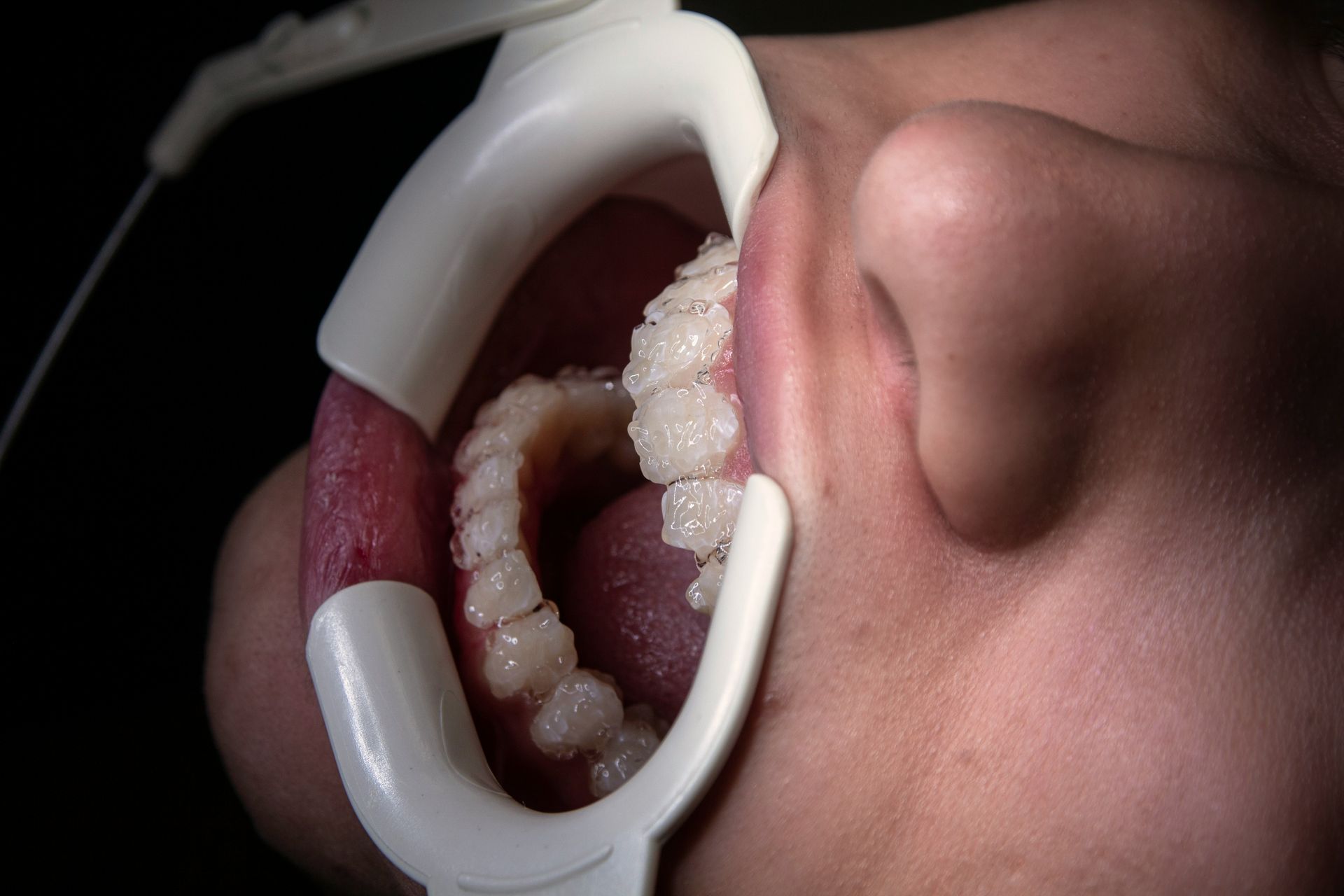
Mouth open with teeth visible, held open by a white dental retractor. Tongue and inner cheek are red.
By Smart Smile October 14, 2025
Nervous about your first appointment? Learn what happens when you see a dentist for receding gums and how they treat it.
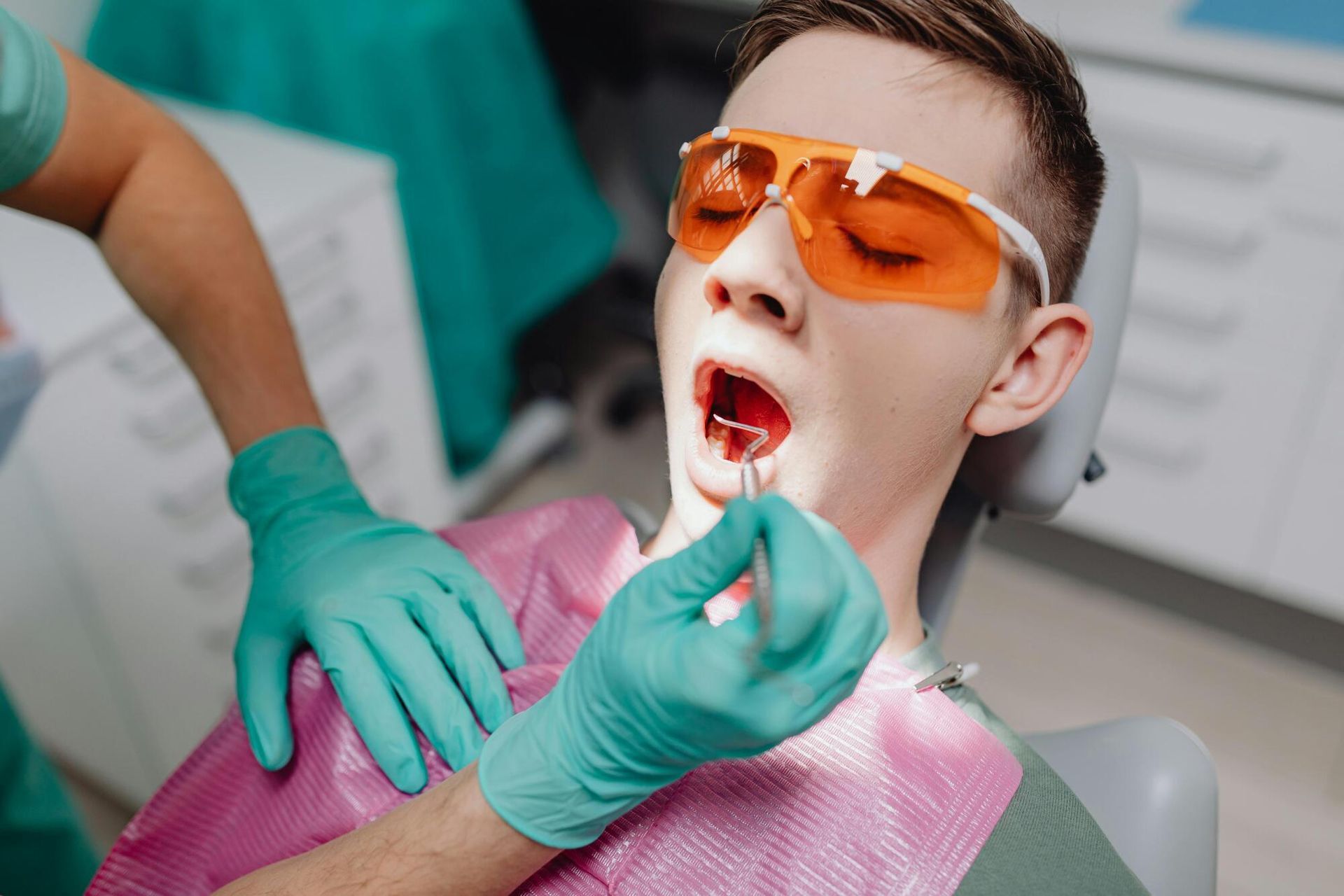
A dentist examining a patient's open mouth with tools. The patient wears orange glasses, in a dental office.
By Smart Smile September 12, 2025
Discover the groundbreaking Pinhole Gum Surgery in Orange County at Smart Smile Dental. Transform your smile with minimally invasive care.
Group of Doctors
By Smart Smile August 12, 2025
Learn the benefits of jaw reconstruction surgery for improved appearance and function. Contact Smart Smile OC today and start your transformation journey!
A group of children are walking down a hallway holding books.
By Smart Smile July 28, 2025
Are your kids ready to go back to school in Orange, CA? Ensure their smiles shine bright throughout the year with our top dental advice.
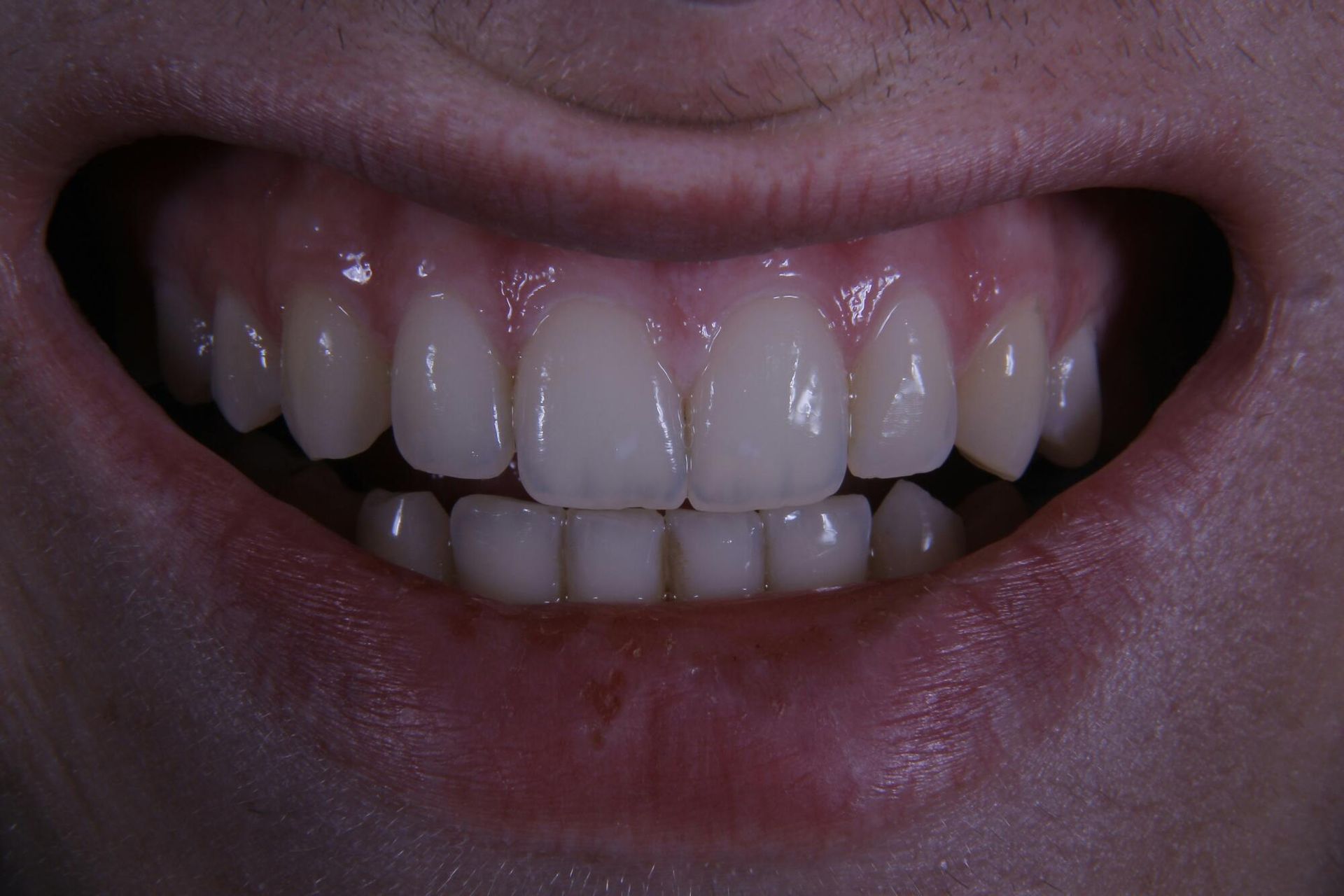
A close up of a person 's teeth and gums.
By Smart Smile July 14, 2025
Receding gums affect your oral health and detract from a perfect smile. Discover 3 warning signs you may need Chao pinhole surgery for gums
By Smart Smile June 16, 2025
It is estimated that around three in five people are unhappy with their smiles , according to a study by StudyFinds. Misaligned teeth do more than affect your smile. They can create lasting oral and physical problems that build quietly over time. If you have been told you have crooked teeth , it is worth understanding how alignment influences more than just your appearance. In this guide, we will take a closer look at how it can impact your health and go over oral health improvement tips. Increased Risk of Gum Infections Crowded or twisted teeth can trap food particles, making brushing less effective. Plaque builds up along the gumline, feeding bacteria that trigger inflammation and infection. Over time, you can experience long-term tissue damage. Without correction, the risk of gum disease from crooked teeth increases. Consistent oral care becomes harder, and your mouth pays the price. Tooth Decay in Hard-To-Reach Areas Misaligned teeth often leave tight spaces where toothbrushes and floss cannot reach. These hidden zones collect debris and bacteria, setting the stage for cavities. If left untreated, you might eventually require fillings or root canals. People with alignment issues face a greater risk of tooth decay due to these problem areas. Watch for these signs of trouble between dental visits : Increased tooth sensitivity Visible discoloration or dark spots Bad breath that will not go away Pain when biting down Food gets stuck in the same place often Early attention to these symptoms can prevent more substantial procedures later. Uneven Pressure on the Jaw Joints Alignment problems shift the balance of your bite, forcing your jaw muscles to work harder. Added strain can wear down the joints over time, causing severe pain. Jaw pain from misaligned teeth often worsens during meals or while speaking. Clicking and stiffness may follow if the issue is not addressed. This level of discomfort can also interrupt sleep and daily routines. Chronic Facial and Neck Pain Crooked teeth affect more than your mouth. They change how your jaw, head, and neck move. That leads to tightness in nearby muscles and tension that spreads through your face and shoulders. Many people do not realize that the headaches and neck aches they experience come from their teeth . Addressing misalignment often eases strain in other areas. Look for these related symptoms if you suspect your bite is part of the problem: Pain near the temples or ears Sore jaw muscles in the morning Stiffness in the neck or shoulders Tension headaches that return often Difficulty opening your mouth fully A healthier bite can relieve pressure far beyond your teeth. Heightened Risk of Tooth Fractures A misaligned bite causes certain teeth to take more force than others. These teeth wear down faster and become vulnerable to cracks and breaks. The added stress increases the odds of sudden dental emergencies . Over time, repeated pressure can lead to permanent damage. Knowing the risk factors for tooth wear can help you catch the problem early. Persistent Mouth Breathing Issues People with crowded teeth often struggle to keep their lips sealed comfortably. It can lead to breathing through the mouth, especially during sleep. Mouth breathing dries out the tissues and weakens your body's first line of defense against germs. It also contributes to bad breath and sore throats. You may notice these effects building up over time: Dry mouth when you wake up Frequent sore throats Snoring or disrupted sleep Chapped lips or cracked corners of the mouth Nasal congestion without a clear cause Correcting your bite can enhance your breathing and sleep quality each night. Headaches Triggered by Misalignment Even slight shifts in alignment change how your muscles work. When jaw muscles overcompensate, the stress radiates upward. Many people report frequent tension headaches before ever noticing their bite is off. Proper alignment often brings relief that medication alone cannot provide. A dental exam can help uncover this connection, and it is essential to schedule regular ones so you can catch issues before they evolve into something worse. Difficulty Chewing and Digesting Food Chewing becomes inconsistent when teeth do not align correctly. This leads to larger food pieces reaching your stomach, making digestion harder. Some foods may feel impossible to eat at all. You might also feel discomfort or clicking with every bite. Daily frustrations often go overlooked, but they affect your body in many ways: Slower digestion after meals Stomach cramps or discomfort Difficulty chewing hard or chewy foods Jaw soreness during meals Avoiding certain foods entirely Making changes early can help restore both comfort and confidence while reducing stress . Speech Issues and Pronunciation Trouble The shape and position of your teeth play a key role in how you form words. Misalignment can cause lisps or difficulty pronouncing certain sounds. This can impact both personal and professional conversations. Many people find their speech improves noticeably after treatment . Your voice should reflect clarity, not struggle. Higher Likelihood of Tooth Loss Uneven pressure wears teeth down over time, weakening the bone and gum support. Gaps and crowding allow more bacteria to reach vulnerable spots. Once a tooth loosens, the risk of complete loss rises quickly. Even one missing tooth affects your entire bite. These risks become more likely if warning signs go untreated: Shifting teeth or new gaps Bleeding gums during brushing Loose-feeling teeth Sensitivity around the roots Receding gums or exposed tooth surfaces Protecting your alignment means safeguarding the foundation of your smile. Finding the Right Dentist Choosing the right dentist affects more than your teeth. It shapes your comfort and long-term health. The following sections will help you know what to look for and what to avoid. Personality and Communication Style You need a dentist who listens and respects your concerns. Feeling rushed or dismissed can turn even a basic checkup into a bad experience. Look for someone who takes the time to walk you through options without pressure. A comfortable conversation goes a long way when you are sitting in that chair. The right personality builds trust, especially when treatments get more complex. Office Cleanliness and Comfort The appearance of a dental office tells you a lot about how it operates. Clean spaces and updated equipment reflect a professional image. Pay attention to these things before you even meet the dentist. A well-maintained office demonstrates a commitment to hygiene and patient care. When visiting for the first time, take note of the following: Sanitary treatment areas Comfortable seating and lighting Modern dental tools and tech Clear signage and friendly staff Accessible restrooms and amenities A clean and calming office environment helps reduce stress and makes returning to work easier. Range of Services Offered Dentists who offer more than cleanings can save you time and referrals. You do not want to bounce between providers for fillings or cosmetic work. Ask if the dentist offers services such as dental bonding or Invisalign. A wide range of options means more tailored care in one place. That flexibility makes a difference as your needs change. Experience With Anxiety or Special Needs Not every dentist knows how to support individuals with dental phobia or medical conditions. If you deal with anxiety, find someone who can adjust their care. The right team will offer patience and even sedation options when needed. Your prospective dentist should provide care that meets the needs of anxious patients , and you deserve a provider who makes you feel safe and respected. Pricing Transparency and Payment Options Nobody wants surprises when the bill comes. A trustworthy office will tell you what to expect before any procedure starts. Look for written estimates and financing support. Watch for these signs of financial clarity: Upfront pricing details Clear insurance verification Flexible payment plans Discounts for certain groups Transparent answers to cost questions Knowing your options ahead of time helps you plan care without hesitation. Appointment Availability and Wait Times Dentists with flexible hours make it easier to get the care you need. Long waits or limited scheduling can lead to skipped cleanings or delayed treatment. If you are dealing with pain or a busy routine, you need a team that respects your time. They should allow patients to schedule online, helping reduce phone hold times and back-and-forth coordination. Reliable access makes every visit less stressful and more productive. Reputation Within the Community A dentist's reputation often tells you what their website does not. Ask friends or neighbors for recommendations and read patient reviews. Feedback about the chairside manner and billing honesty can help you avoid bad experiences. Before committing, check for the following signs of a trusted provider: Consistent positive reviews across platforms Clear responses to patient concerns Recommendations from local families Long-term patients with repeat visits Clean disciplinary record with licensing boards A solid reputation reflects how much they value their patients over time.  Bad, Crooked Teeth Can Lead to Health Issues Addressing alignment issues promptly helps prevent more severe health problems later. Whether it is joint pain, decay, or gum infection, bad crooked teeth often start a chain reaction. Smart Smile Dental has helped hundreds of patients across Orange County with everything from emergency care to complete smile makeovers. Over 95% of Invisalign cases finish within 9 to 15 months. You can get in touch with us today to learn more about how we can help.
By Smart Smile June 10, 2025
Are you recovering from gum recession surgery and wondering what comes next? The Chao Pinhole Surgery Technique offers a minimally invasive way to restore your gumline without cutting or stitches. But your outcome depends on what you do after the procedure. Let us cover the most critical lifestyle adjustments to help your gums heal and stay healthy. From dietary changes to oral hygiene, we will guide you through every step of supporting your recovery. Understanding Pinhole Surgery Pinhole surgery has been gaining popularity as a less traumatic method for treating gum recession . Unlike traditional methods that involve cutting and stitching, this technique uses a small pinhole to reposition gum tissue over exposed roots. This promotes healing and can lead to significant improvements in gum health. Post-surgery Gum Care When it comes to caring for your gums post-surgery, several key adjustments can make a profound difference in your healing journey. Here are some essential tips to consider: Maintain Oral Hygiene It is crucial to follow your dentist's instructions regarding oral hygiene . Gently brush your teeth with a soft-bristled toothbrush and floss with care to prevent any irritation to the surgical site. Avoid Hard and Chewy Foods For the initial recovery period, avoid hard, crunchy, or sticky foods. They can add pressure to the gumline. Soft foods can be more comfortable and promote healing. Stay Hydrated Drinking plenty of water is essential, as it helps keep your mouth moist and may aid in the healing process. Consider rinsing the area with salt water to help disinfect it. Limit Tobacco Products Smoking or using tobacco can hinder the healing process. It is recommended to reduce or quit your usage significantly for optimal recovery. Regular Dental Check-Ups Schedule follow-up appointments with your dentist in Orange, CA, to monitor your healing progress and ensure the success of the Chao Pinhole Surgical Technique. Recognizing Signs of Complications While most patients experience a smooth recovery, it is essential to be aware of potential complications that may arise. Look out for symptoms such as swelling, discharge, or continuous pain. If you notice any of these symptoms, contact your dentist right away. Embracing a Healthy Lifestyle In addition to these specific adjustments, adopting a healthier lifestyle can have a positive impact on your gum health. Consider incorporating: Fruits and vegetables are high in vitamins and antioxidants Whole grains provide the necessary energy Regular exercise improves circulation and contributes to overall health Paying attention to your overall lifestyle may enhance the healing of your gums while also benefiting your entire body. Pinhole Surgery Recovery Successfully recovering from the Chao Pinhole Surgical Technique takes commitment and care. Patients who actively participate in their recovery and maintain a routine of healthy habits can significantly enhance their oral health. Remember, keeping your new gumline is just as important as the surgery itself, so stay mindful of your dental care practices. Elevate Your Smile With Smart Smile OC Your journey to healthier gums does not stop after surgery. At Smart Smile OC, we specialize in providing comprehensive dental care that prioritizes your gum health. With a dedicated team experienced in the Chao Pinhole Surgery Technique, we are here to help you every step of the way. Choose a caring dentist in Orange, CA, and invest in your smile today!
By Smart Smile May 20, 2025
Mornings in your Orange, CA, home can be busy. You're making breakfast, packing bags, and watching your toddler smear toothpaste everywhere but on their teeth. We know it's hard to keep up with your child's dental care when your life is so hectic. A friendly kid's dentist can help make regular dental appointments easy. At Smart Smile Dental, Dr. Lori Bagai and our team create a fun, cozy place for kids to visit. We want to share simple Orange, CA, dental care advice to keep your child's smile bright. This guide will give you easy tips, explain what happens at dental visits, and show why starting young helps kids have healthy teeth for life. Why Early Dental Visits Set Kids Up for Success A healthy smile begins early. Experts at the American Academy of Pediatric Dentistry recommend that children visit a kid's dentist by age one or when their first tooth appears. Early trips help children feel cozy in the dental chair and let us catch small issues before they turn into big ones. At Smart Smile Dental, we've watched nervous kids become pros at checkups. Starting young builds lifelong habits. During visits, we show kids why brushing is important and check their teeth for problems like cavities. Parents walk away with pediatric dental care tips to use at home, like how to make brushing fun. Early care saves time and stress later. A short visit now can prevent bigger dental work down the road. Come to our Orange, CA office, and we'll make your child's first appointment a happy memory . Everyday Habits for Sparkling Smiles at Home Daily habits keep your child's teeth strong. Helping kids brush and floss can seem hard, but our oral care advice for parents makes it simple and fun. Toddlers and Preschoolers Young kids love playtime. Choose a toothbrush with their favorite cartoon character to spark excitement. Sing a short song, like "Row, Row, Row Your Boat," while they brush for two minutes. Use a tiny dot of fluoride toothpaste, no bigger than a rice grain. Guide them to brush twice daily: once after breakfast and once before bed. Cut back on sugary treats like juice or gummy snacks, especially at night. A quick water rinse after sweets keeps teeth clean. School-Age Kids As kids grow, they can brush alone, but peek in to ensure they're thorough. Teach them to use a pea-sized bit of toothpaste and clean every tooth. Show them how to floss daily to clear food between teeth. Swap soda for water to protect their smile. A sticker chart can motivate them to stick with it. Good home routines mean fewer dental visits. We're happy to share more pediatric dental care tips to keep your child's smile dazzling every day. What to Expect at Your Child's Dental Visit in Orange, CA Visiting a kid's dentist should feel like a fun outing, and our Orange, CA, dental care advice ensures you know what to expect. Every appointment keeps kids happy and parents informed . Your child's visit begins with a gentle cleaning. Our kind dental assistant polishes their teeth until they shine. Then, Dr. Lori Bagai checks for cavities and makes sure teeth are growing properly. A special light helps us spot tiny issues early. If needed, we apply fluoride to strengthen teeth. Kids enjoy our bright posters that teach better brushing tricks. Our office feels warm and playful, with fun music and prizes like stickers after each visit. We share expert dental tips for kids with parents, like easy flossing ideas. Everything we do helps your child feel safe and excited about dental care. Schedule a visit at our Orange, CA office, and discover how we turn dental trips into moments your family looks forward to. Common Dental Concerns for Kids and How We Address Them As kids grow, their teeth face unique challenges. At Smart Smile Dental , we help families solve these issues with clear teeth care advice for parents. Preventing Cavities Cavities can sneak up when kids eat sugary snacks or skip brushing . We fight them with sealants, a thin coating brushed onto back teeth to block decay. Fluoride treatments make teeth tougher, too. At checkups, we look for early trouble and share expert dental tips for kids, like brushing twice daily to stop cavities . Parents can help by offering fruit instead of candy for snacks. Managing Habits and Growth Some kids suck their thumbs or lose baby teeth too soon. These habits can push teeth out of line. We suggest gentle ways to ease thumb-sucking, like praising kids for trying new activities. If teeth grow crooked, we monitor them closely and discuss options like Invisalign for teens. Each child gets a custom plan to fit their needs . Our team uses X-rays to watch tooth growth and catch issues fast. We listen to your questions and explain every step. Stop by our Orange, CA office, and let us care for your child's teeth with kindness and skill. Why Choose Smart Smile Dental for Your Child's Care? Caring for your child's smile is what we do best at Smart Smile Dental. Dr. Lori Bagai serves Orange, CA with compassion, offering free dental care one Saturday a month through the Western Service Workers Association. From cleanings to Invisalign, our services fit every family . Choose our kids' dentist team for expert care that keeps your child's teeth healthy and their smile glowing. Keep Your Kid's Dentist Visits Simple and Fun Healthy smiles grow with care. Starting dental visits early and practicing good habits at home set your child up for strong teeth. Your kid's dentist plays a big role in making your child's dental hygiene in Orange easy and fun. At Smart Smile Dental, we create a cozy, playful space where kids love to visit. Dr. Lori Bagai and our team combine expert care with a warm, family-friendly vibe that puts everyone at ease. From cleanings to helpful tips, we're here to help your child's smile shine.  Ready to start? Book an appointment today at Smart Smile Dental and take advantage of our $99 exam and X-ray deal for new patients!
A woman wearing glasses and a polka dot shirt is smiling.
By Smart Smile May 14, 2025
Discover how Chao Pinhole technique is the revolutionary new treatment for receding gums—no scalpels, no stitches, just fast results!