Am I a Candidate for All-On-4 Dental Implants?

Smart Smile • March 24, 2025

According to the CDC, approximately 120 million Americans are missing at least one tooth, and over 36 million have lost all their teeth. Such tooth loss can significantly impact daily life by affecting speech, eating habits, and self-esteem.


All-on-4 dental implants offer a promising solution to fix missing teeth by providing a full-arch restoration using just four implants. Today, we're taking a closer look into the criteria that determine candidacy for this procedure, its benefits, and how it compares to other teeth replacement options.


What Are All-On-4 Dental Implants?

All-on-4 dental implants provide a full-arch teeth replacement option using only four implants. Traditional implants usually require one post per missing tooth, but this approach supports a full set of teeth with fewer implants.

There are three key aspects to how this system works:

  • Strategic implant placement
  • Immediate teeth placement
  • Long-term stability


Strategic Implant Placement

The four implants are positioned in a way that maximizes contact with available bone. Two are placed at an angle in the back of the jaw, while the front two are inserted vertically. This structure allows for strong support.


Immediate Teeth Placement

Many patients receive a set of temporary teeth on the same day as the surgery. These serve as placeholders while the implants heal and integrate with the jawbone.


Long-Term Stability

Once healing is complete, a custom permanent set of teeth is attached. These function like natural teeth and help prevent bone loss over time.


Who Can Get All-On-4?

All-on-4 dental implants can be a great option for many people, but not everyone is a candidate. There are three main conditions that affect whether someone can get all-on-4 implants:

  • Sufficient jawbone density
  • Healthy gums
  • Good overall health


Sufficient Jawbone Density

The implants need a stable foundation to stay in place. Many people with bone loss can still qualify, but in severe cases, a bone graft may be needed before the procedure.


Healthy Gums

Gum disease can weaken the tissue around implants, increasing the risk of failure. Anyone with untreated periodontal disease should get it managed before moving forward.


Good Overall Health

Certain medical conditions can affect healing after surgery. Uncontrolled diabetes, autoimmune disorders, and blood clotting issues may increase the risk of complications. A dentist will review medical history before recommending treatment.


Fix Missing Teeth with All-On-4: Dental Implant Benefits

All-on-4 dental implants can fix missing teeth without the hassle of traditional dentures. There are three main reasons why all-on-4 implants stand out from other teeth replacement options:

  • Immediate results
  • Fewer implants, stronger support
  • Preserves jawbone health


Immediate Results

Traditional implants often require months of healing before teeth can be placed. With all-on-4 implants, most patients receive a set of temporary teeth on the same day as surgery. It allows them to eat and speak normally while waiting for their permanent teeth.


Fewer Implants, Stronger Support

Instead of replacing each missing tooth with a single implant, this method only requires four implants to support an entire arch. The angled placement of the back implants increases stability and makes the best use of existing bone structure.


Preserves Jawbone Health

When teeth are missing, the jawbone can shrink over time. Since implants act like natural tooth roots, they stimulate the bone and help prevent this type of bone loss.


Who Might Not Be a Candidate?

All-on-4 dental implants work for many people, but some may not be able to get them right away. Certain health conditions and lifestyle habits can affect healing and increase the risk of implant failure. A dentist will need to evaluate each patient to determine if this procedure is a good option.

There are three main reasons why someone might not be a candidate for all-on-4 implants:

  • Severe bone loss without grafting
  • Untreated gum disease
  • Medical conditions that affect healing


Severe Bone Loss Without Grafting

The implants need a strong foundation, and in cases where the jawbone has deteriorated too much, additional procedures may be required. Some patients may need bone grafting before implants can be placed. If the bone loss is too extreme, all-on-4 may not be possible.


Untreated Gum Disease

Healthy gums play an important role in the success of dental implants. Advanced periodontal disease can weaken the tissue around the implants, making them more likely to fail. Anyone with gum disease should complete treatment before considering all-on-4 implants.


Medical Conditions That Affect Healing

Some health conditions, like uncontrolled diabetes or immune disorders, can slow healing and increase the risk of infection. Blood clotting disorders and osteoporosis can also create challenges. A dentist will consider your medical history before recommending treatment.


Comparing All-On-4 to Other Teeth Replacement Options

The main alternatives include traditional dentures, individual implants, and implant-supported dentures. Traditional dentures are removable and rest on the gums.


While they are a common choice, they require adhesives to stay securecan slip out of place. Over time, dentures can also contribute to bone loss in the jaw, leading to changes in facial structure. Many people find them uncomfortable, especially when eating certain foods. All-on-4 implants eliminate these issues by being permanently fixed in place.


Individual dental implants are another option, replacing each missing tooth with a separate implant. This approach offers a natural feel and strong bite force but requires multiple surgeries and a long healing process. For those missing an entire row of teeth, this method can be costly and time-consuming. All-on-4 implants achieve similar results with fewer procedures and a lower overall cost.


Implant-supported dentures combine features of both dentures and implants. They are more stable than regular dentures but still need to be removed for cleaning. All-on-4 implants offer a more permanent solution, providing a full set of teeth that function just like natural ones.


Teeth Replacement Options

All-on-4 dental implants offer a reliable way to fix missing teeth, providing stability and long-term benefits.

At Smart Smile in Orange, CA, we are dedicated to providing top-quality dental care in a welcoming environment. Our team uses the latest techniques to keep your smile healthy and beautiful. We focus on patient education to prevent issues before they arise and strive to make every visit as comfortable as possible.


Get in touch today to find out how we can help with your dental journey!
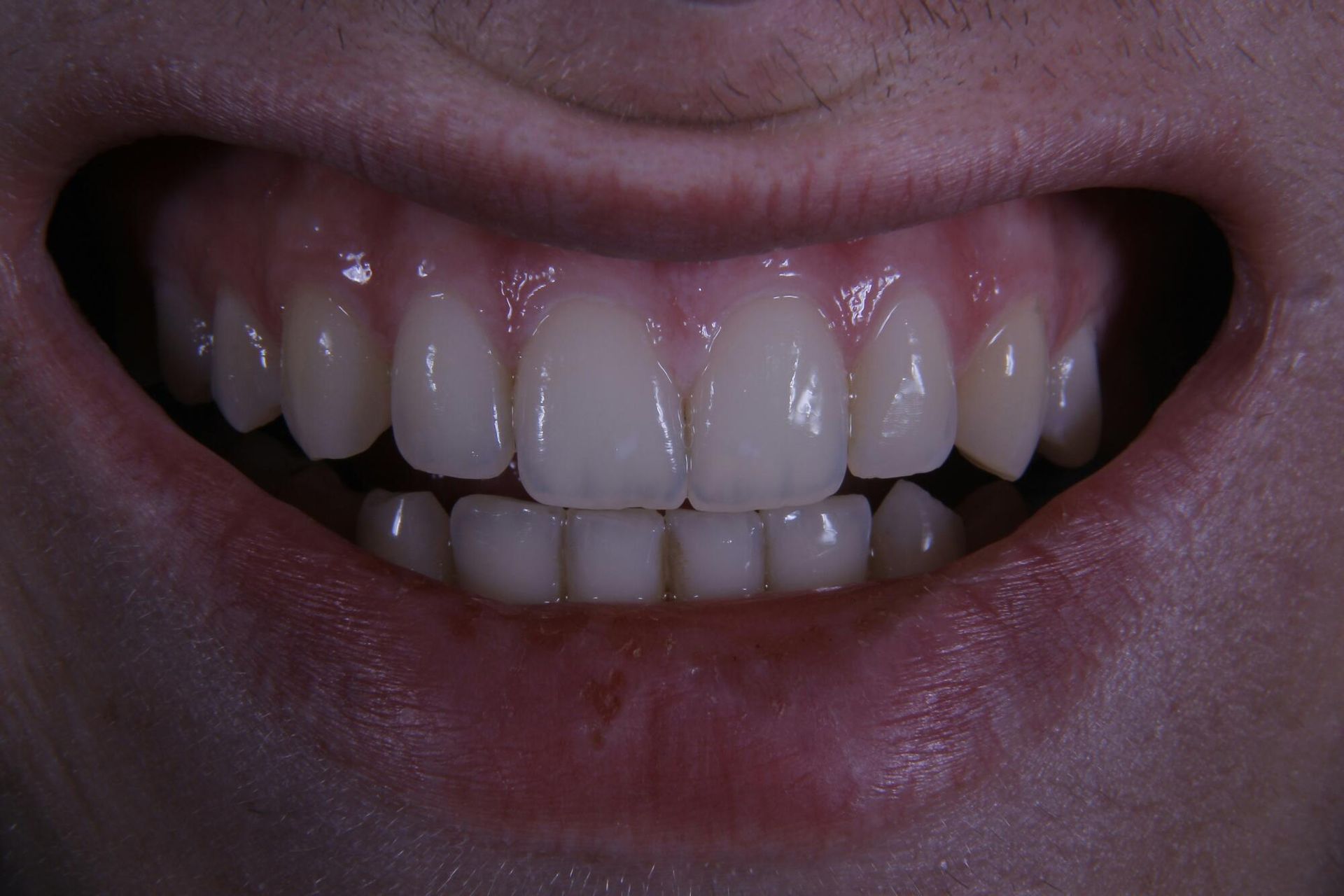

Teeth inside a mouth, dental exam. Showing upper and lower teeth.
By Smart Smile January 14, 2026
Is gingivitis contagious? Learn the facts behind this common concern and take steps to protect your smile. Explore prevention now!
Close-up of a mouth with teeth visible; lips are parted, showing the upper and lower teeth, some slight misalignment.
By Smart Smile December 15, 2025
Discover the leading causes of gum recession and learn preventative tips to protect your smile. Read more and keep your gums healthy!
Dentist examining patient's teeth with gloved hands. Patient in dental chair with eyes closed.
By Smart Smile November 30, 2025
Explore why mild gum recession shouldn't be ignored. Start taking care of your oral health before it's too late! Click now.
Dentist examining a patient's teeth. Smiling woman in dental chair, blue gloves, screen in background.
By Smart Smile November 10, 2025
Learn why your annual dental checkup at Smart Smile Dental in Orange, CA is key to a healthy smile and overall well-being.
Mouth open with teeth visible, held open by a white dental retractor. Tongue and inner cheek are red.
By Smart Smile October 14, 2025
Nervous about your first appointment? Learn what happens when you see a dentist for receding gums and how they treat it.
A dentist examining a patient's open mouth with tools. The patient wears orange glasses, in a dental office.
By Smart Smile September 12, 2025
Discover the groundbreaking Pinhole Gum Surgery in Orange County at Smart Smile Dental. Transform your smile with minimally invasive care.
Group of Doctors
By Smart Smile August 12, 2025
Learn the benefits of jaw reconstruction surgery for improved appearance and function. Contact Smart Smile OC today and start your transformation journey!
A group of children are walking down a hallway holding books.
By Smart Smile July 28, 2025
Are your kids ready to go back to school in Orange, CA? Ensure their smiles shine bright throughout the year with our top dental advice.
A close up of a person 's teeth and gums.
By Smart Smile July 14, 2025
Receding gums affect your oral health and detract from a perfect smile. Discover 3 warning signs you may need Chao pinhole surgery for gums
By Smart Smile June 16, 2025
It is estimated that around three in five people are unhappy with their smiles , according to a study by StudyFinds. Misaligned teeth do more than affect your smile. They can create lasting oral and physical problems that build quietly over time. If you have been told you have crooked teeth , it is worth understanding how alignment influences more than just your appearance. In this guide, we will take a closer look at how it can impact your health and go over oral health improvement tips. Increased Risk of Gum Infections Crowded or twisted teeth can trap food particles, making brushing less effective. Plaque builds up along the gumline, feeding bacteria that trigger inflammation and infection. Over time, you can experience long-term tissue damage. Without correction, the risk of gum disease from crooked teeth increases. Consistent oral care becomes harder, and your mouth pays the price. Tooth Decay in Hard-To-Reach Areas Misaligned teeth often leave tight spaces where toothbrushes and floss cannot reach. These hidden zones collect debris and bacteria, setting the stage for cavities. If left untreated, you might eventually require fillings or root canals. People with alignment issues face a greater risk of tooth decay due to these problem areas. Watch for these signs of trouble between dental visits : Increased tooth sensitivity Visible discoloration or dark spots Bad breath that will not go away Pain when biting down Food gets stuck in the same place often Early attention to these symptoms can prevent more substantial procedures later. Uneven Pressure on the Jaw Joints Alignment problems shift the balance of your bite, forcing your jaw muscles to work harder. Added strain can wear down the joints over time, causing severe pain. Jaw pain from misaligned teeth often worsens during meals or while speaking. Clicking and stiffness may follow if the issue is not addressed. This level of discomfort can also interrupt sleep and daily routines. Chronic Facial and Neck Pain Crooked teeth affect more than your mouth. They change how your jaw, head, and neck move. That leads to tightness in nearby muscles and tension that spreads through your face and shoulders. Many people do not realize that the headaches and neck aches they experience come from their teeth . Addressing misalignment often eases strain in other areas. Look for these related symptoms if you suspect your bite is part of the problem: Pain near the temples or ears Sore jaw muscles in the morning Stiffness in the neck or shoulders Tension headaches that return often Difficulty opening your mouth fully A healthier bite can relieve pressure far beyond your teeth. Heightened Risk of Tooth Fractures A misaligned bite causes certain teeth to take more force than others. These teeth wear down faster and become vulnerable to cracks and breaks. The added stress increases the odds of sudden dental emergencies . Over time, repeated pressure can lead to permanent damage. Knowing the risk factors for tooth wear can help you catch the problem early. Persistent Mouth Breathing Issues People with crowded teeth often struggle to keep their lips sealed comfortably. It can lead to breathing through the mouth, especially during sleep. Mouth breathing dries out the tissues and weakens your body's first line of defense against germs. It also contributes to bad breath and sore throats. You may notice these effects building up over time: Dry mouth when you wake up Frequent sore throats Snoring or disrupted sleep Chapped lips or cracked corners of the mouth Nasal congestion without a clear cause Correcting your bite can enhance your breathing and sleep quality each night. Headaches Triggered by Misalignment Even slight shifts in alignment change how your muscles work. When jaw muscles overcompensate, the stress radiates upward. Many people report frequent tension headaches before ever noticing their bite is off. Proper alignment often brings relief that medication alone cannot provide. A dental exam can help uncover this connection, and it is essential to schedule regular ones so you can catch issues before they evolve into something worse. Difficulty Chewing and Digesting Food Chewing becomes inconsistent when teeth do not align correctly. This leads to larger food pieces reaching your stomach, making digestion harder. Some foods may feel impossible to eat at all. You might also feel discomfort or clicking with every bite. Daily frustrations often go overlooked, but they affect your body in many ways: Slower digestion after meals Stomach cramps or discomfort Difficulty chewing hard or chewy foods Jaw soreness during meals Avoiding certain foods entirely Making changes early can help restore both comfort and confidence while reducing stress . Speech Issues and Pronunciation Trouble The shape and position of your teeth play a key role in how you form words. Misalignment can cause lisps or difficulty pronouncing certain sounds. This can impact both personal and professional conversations. Many people find their speech improves noticeably after treatment . Your voice should reflect clarity, not struggle. Higher Likelihood of Tooth Loss Uneven pressure wears teeth down over time, weakening the bone and gum support. Gaps and crowding allow more bacteria to reach vulnerable spots. Once a tooth loosens, the risk of complete loss rises quickly. Even one missing tooth affects your entire bite. These risks become more likely if warning signs go untreated: Shifting teeth or new gaps Bleeding gums during brushing Loose-feeling teeth Sensitivity around the roots Receding gums or exposed tooth surfaces Protecting your alignment means safeguarding the foundation of your smile. Finding the Right Dentist Choosing the right dentist affects more than your teeth. It shapes your comfort and long-term health. The following sections will help you know what to look for and what to avoid. Personality and Communication Style You need a dentist who listens and respects your concerns. Feeling rushed or dismissed can turn even a basic checkup into a bad experience. Look for someone who takes the time to walk you through options without pressure. A comfortable conversation goes a long way when you are sitting in that chair. The right personality builds trust, especially when treatments get more complex. Office Cleanliness and Comfort The appearance of a dental office tells you a lot about how it operates. Clean spaces and updated equipment reflect a professional image. Pay attention to these things before you even meet the dentist. A well-maintained office demonstrates a commitment to hygiene and patient care. When visiting for the first time, take note of the following: Sanitary treatment areas Comfortable seating and lighting Modern dental tools and tech Clear signage and friendly staff Accessible restrooms and amenities A clean and calming office environment helps reduce stress and makes returning to work easier. Range of Services Offered Dentists who offer more than cleanings can save you time and referrals. You do not want to bounce between providers for fillings or cosmetic work. Ask if the dentist offers services such as dental bonding or Invisalign. A wide range of options means more tailored care in one place. That flexibility makes a difference as your needs change. Experience With Anxiety or Special Needs Not every dentist knows how to support individuals with dental phobia or medical conditions. If you deal with anxiety, find someone who can adjust their care. The right team will offer patience and even sedation options when needed. Your prospective dentist should provide care that meets the needs of anxious patients , and you deserve a provider who makes you feel safe and respected. Pricing Transparency and Payment Options Nobody wants surprises when the bill comes. A trustworthy office will tell you what to expect before any procedure starts. Look for written estimates and financing support. Watch for these signs of financial clarity: Upfront pricing details Clear insurance verification Flexible payment plans Discounts for certain groups Transparent answers to cost questions Knowing your options ahead of time helps you plan care without hesitation. Appointment Availability and Wait Times Dentists with flexible hours make it easier to get the care you need. Long waits or limited scheduling can lead to skipped cleanings or delayed treatment. If you are dealing with pain or a busy routine, you need a team that respects your time. They should allow patients to schedule online, helping reduce phone hold times and back-and-forth coordination. Reliable access makes every visit less stressful and more productive. Reputation Within the Community A dentist's reputation often tells you what their website does not. Ask friends or neighbors for recommendations and read patient reviews. Feedback about the chairside manner and billing honesty can help you avoid bad experiences. Before committing, check for the following signs of a trusted provider: Consistent positive reviews across platforms Clear responses to patient concerns Recommendations from local families Long-term patients with repeat visits Clean disciplinary record with licensing boards A solid reputation reflects how much they value their patients over time.  Bad, Crooked Teeth Can Lead to Health Issues Addressing alignment issues promptly helps prevent more severe health problems later. Whether it is joint pain, decay, or gum infection, bad crooked teeth often start a chain reaction. Smart Smile Dental has helped hundreds of patients across Orange County with everything from emergency care to complete smile makeovers. Over 95% of Invisalign cases finish within 9 to 15 months. You can get in touch with us today to learn more about how we can help.